Tagline:
The screenwriting bible that every serious storyteller should read — and revisit.
📖 What It’s About:
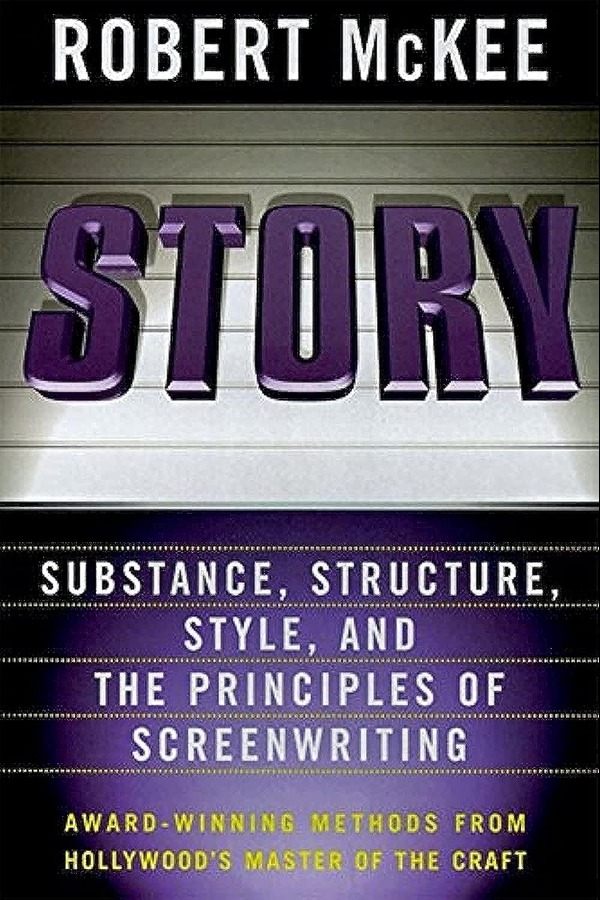
Robert McKee’s Story is a deep, rigorous exploration of storytelling craft, originally aimed at screenwriters but applicable to all narrative writers. It isn’t about formatting or tricks—it’s about why stories work. McKee dissects story structure, genre, character development, and emotional impact, helping writers move beyond formula and into mastery.
✅ What It Does Well:
- Explains structure without oversimplifying: You’ll learn the function of acts, sequences, scenes, and beats—not just where they go, but why they matter.
- Scene theory: McKee’s idea that every scene must involve a “value change” is game-changing.
- Emphasis on conflict and choice: Characters reveal who they truly are through decisions under pressure.
- Genre intelligence: It teaches how to work within a genre without being a slave to it.
- Depth over hacks: If you’re ready to stop winging it and really understand story, this is your book.
⚠️ What Might Hold You Back:
- It’s dense and academic: Less a workbook, more a masterclass in print.
- Cinema focus: Most examples are from film, which may feel distant to novelists at first.
- No hand-holding: Don’t expect step-by-step templates — this is theory-rich, not tool-heavy.
🧩 Best For:
Writers who want to elevate their understanding of structure and storytelling at a professional level — whether in novels, scripts, or narrative games. Especially helpful for anyone who has “read all the other guides” and still feels something’s missing.
✨ Key Takeaways & What Writers Can Learn:
1. Every Scene Must Turn
“A scene is a story in miniature.”
Each scene must shift a value in the character’s world — from hope to despair, safety to danger, ignorance to knowledge. If nothing changes, the scene doesn’t belong.
Example:
In The Godfather, when Michael visits the hospital to protect his father, the value shifts from helplessness to control. He takes action, revealing a turning point in his arc.
Use It:
While drafting, ask: What changes in this scene? What’s the before-and-after?
2. Character = Choice Under Pressure
“True character is revealed in the decisions a human being makes under pressure.”
Don’t define characters by traits; show who they are through high-stakes choices. The tougher the choice, the clearer the character.
Example:
In Casablanca, Rick’s decision to let Ilsa go shows his true transformation—from selfish cynic to selfless hero.
Use It:
Give your characters tough choices with no easy answer. That’s where readers connect.
3. Structure Is Meaning
“Structure is not a formula—it’s the translation of meaning into action.”
Forget cookie-cutter templates. McKee encourages you to build structure around your theme — to let your story’s central question drive your plot.
Example:
In Ordinary People, the structure reveals the emotional unraveling of a family. It’s not “plot beats” driving the story, but emotional truth.
Use It:
What is your story really about? How can structure support that?
4. Genre Is a Promise
“You can’t violate genre expectations unless you first fulfill them.”
Readers expect certain emotional experiences from genres. You can subvert expectations after you’ve delivered what they came for.
Example:
In Chinatown, the detective noir genre is honored — mystery, danger, femme fatale — but ends with a tragic twist that redefines the genre’s boundaries.
Use It:
Respect your genre’s emotional core, even if you plan to break its rules later.
✍️ Final Verdict:
⭐️⭐️⭐️⭐️⭐️
An essential text for serious storytellers. It’s not light reading — but it’s rich, challenging, and worth every note you’ll take. Story teaches you to respect the craft, to think deeper about structure, and to become intentional in every choice you make as a writer.